Exterior Painting in Austin for Homes With Fading Siding
Austin siding doesn't fade because you neglected it. It fades because the sun here doesn't quit. Intense UV exposure, relentless heat, and humidity spikes strip pigment faster than most homeowners realize. That chalky, washed-out look isn't cosmetic—it's a warning. Your exterior is losing its protective barrier, and waiting too long means you're not just repainting. You're replacing boards, patching rot, and dealing with moisture infiltration that could've been avoided.
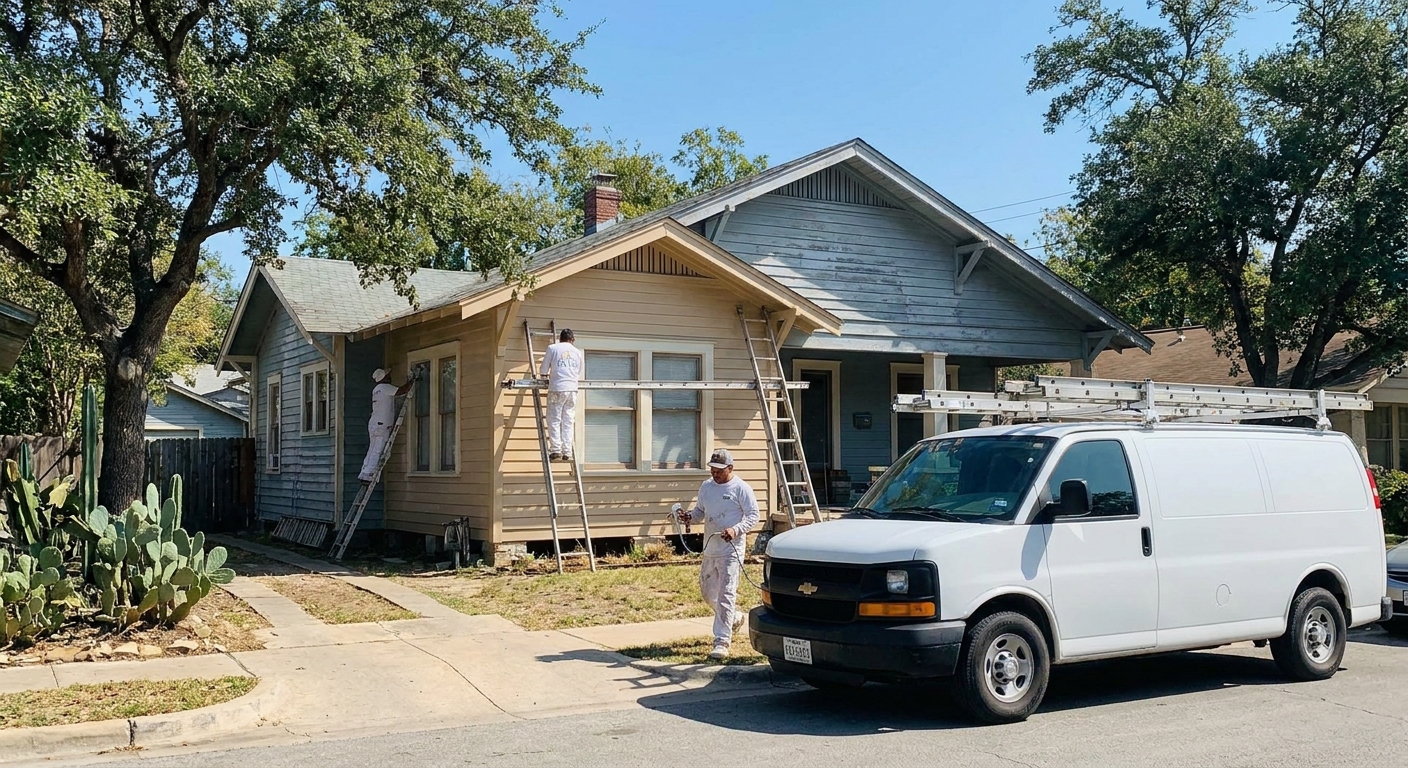
Fresh paint isn't a Band-Aid. It's a reset. Done right, it buys you years of protection and transforms curb appeal overnight. Done wrong, it peels in six months and costs you double. The difference comes down to prep, product selection, and understanding what Austin weather actually does to exterior surfaces.
UV Rays Break Down More Than Color
The Texas sun doesn't just fade paint—it degrades the binders that hold pigment to your siding. Once those binders fail, you get chalking, cracking, and eventual peeling. Vinyl siding is particularly vulnerable because it's manufactured with color mixed into the material, but even that fades under sustained UV bombardment. Wood and fiber cement fare better with quality coatings, but only if those coatings are reapplied before the damage sets in.
Humidity compounds the issue. Moisture seeps into micro-cracks left by sun damage, creating the perfect environment for mildew and rot. By the time you notice soft spots or discoloration, the problem has already migrated beneath the surface. Paint isn't just aesthetic—it's the first line of defense against structural decay.
What Quality Exterior Paint Actually Does
The right paint doesn't just sit on top of your siding. It bonds to the substrate, flexes with temperature swings, and reflects UV radiation instead of absorbing it. Acrylic latex formulations dominate the Austin market for good reason. They adhere to multiple surfaces, resist cracking, and breathe enough to let trapped moisture escape without compromising the seal.
Cheap paint might look fine for a season. Then it fades faster than the original color, traps moisture, and requires a full strip-and-redo within two years. We've seen it happen. High-performance coatings cost more upfront, but they're engineered for climates like ours—where summer temps routinely hit triple digits and afternoon thunderstorms dump inches of rain in minutes.
Preparation Determines How Long Your Paint Lasts
Slapping paint over faded siding without prep work is asking for failure. Surface contaminants, loose material, and existing damage all sabotage adhesion. Pressure washing clears dirt, mildew, and oxidized paint, but it's not a cure-all. You still need to scrape flaking sections, sand rough edges, and fill cracks with exterior-grade caulk. Skip any of those steps and you'll see bubbling or peeling before the year's out.
Priming matters more than most people think. Bare wood, heavily faded fiber cement, and patched areas all need a bonding primer to equalize absorption and create a uniform base. Without it, topcoats can dry unevenly, leading to color inconsistencies and reduced durability. This is where experience pays off—knowing which primers work with which siding materials and local conditions.
Signs Your Siding Needs More Than Just Paint
Not every faded exterior is salvageable with a fresh coat. If the siding itself is warped, cracked, or showing signs of water intrusion, painting over it is pointless. You'll trap moisture, accelerate rot, and end up paying for replacement anyway. Before committing to a paint job, inspect for these red flags:
- Soft or spongy spots when you press on the siding
- Visible mold or mildew that returns after cleaning
- Cracks or splits that run through the material, not just the paint
- Warping or buckling, especially near seams and edges
- Peeling that exposes bare wood or substrate underneath
Addressing structural issues first isn't optional. Paint can't fix rot, and it won't stop water from migrating into your walls. A reputable contractor will flag these problems upfront rather than cover them up and collect a check.
Picking Colors That Work With Austin Light
Austin's intense sunlight makes certain colors fade faster. Deep reds, blues, and purples lose vibrancy quicker than earth tones, grays, and off-whites. That doesn't mean you're stuck with beige, but it does mean you should choose pigments formulated for high UV exposure. Lighter shades also reflect heat, which can lower cooling costs and reduce thermal stress on your siding.
Test your color in natural light before committing. Paint a sample board and observe it at different times of day. What looks perfect in the morning might feel washed out by midday or too dark at dusk. Neighborhood aesthetics matter too—HOA guidelines and surrounding homes can influence what works visually and what clashes.
Professional Crews vs. DIY Gambles
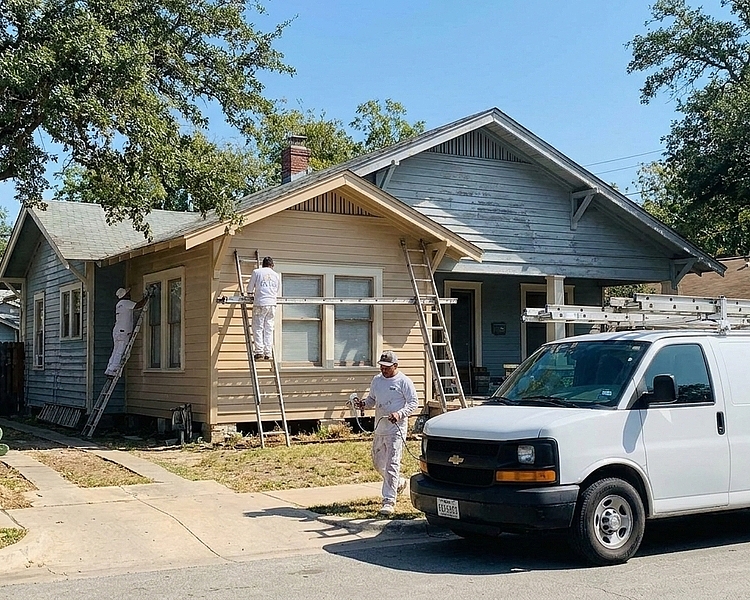
Exterior painting isn't a weekend project unless you've done it before. The equipment, safety risks, and skill required to achieve a smooth, durable finish are significant. Professionals bring scaffolding, industrial sprayers, and years of experience working in Austin's heat. They also carry insurance, which matters if someone falls off a ladder or damages your property.
DIY attempts often result in uneven coverage, drips, and premature failure. You might save on labor, but you'll spend more in the long run if the job has to be redone. Plus, contractors have access to trade-grade products and bulk pricing that aren't available at retail stores. The cost difference between a pro job and a DIY redo usually favors hiring out.
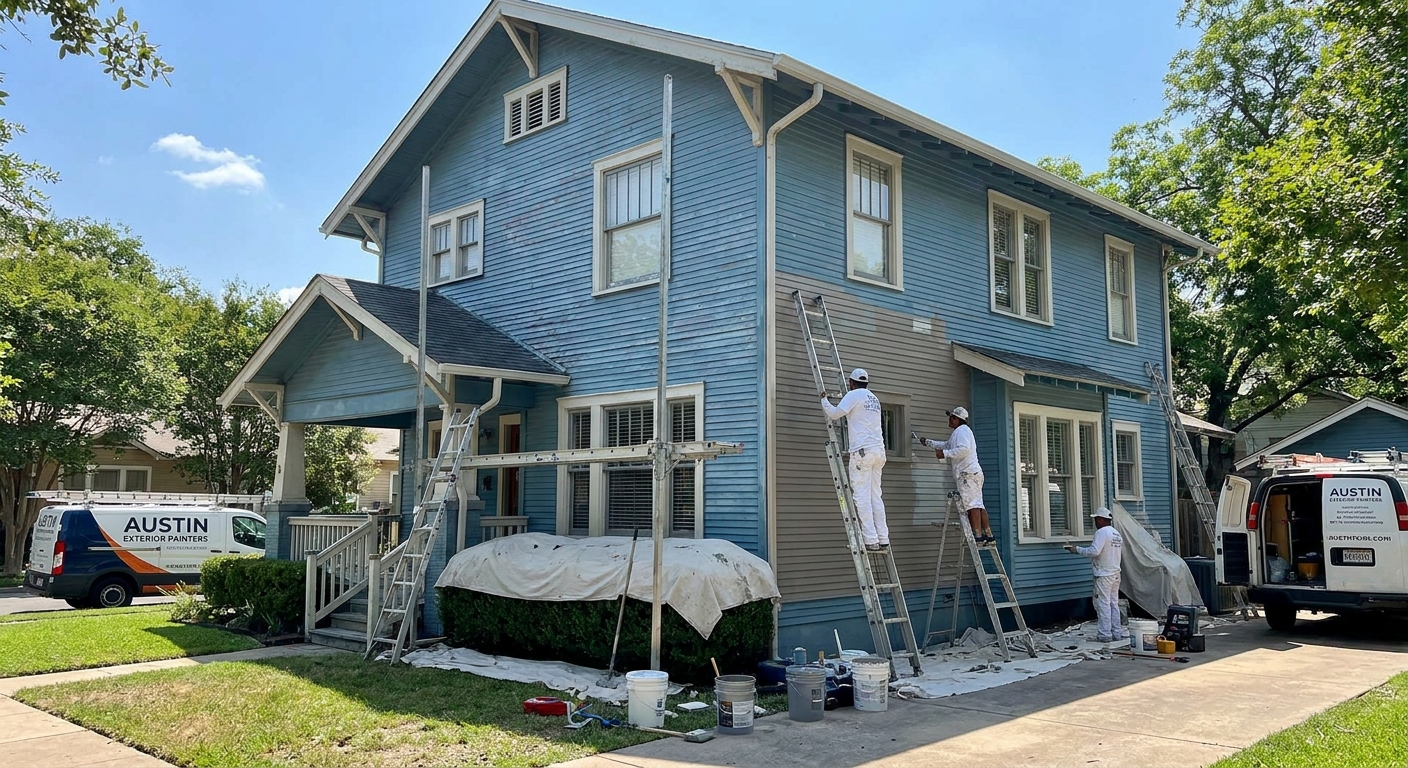
Maintenance That Extends Your Investment
Once your siding is freshly painted, keeping it that way requires minimal effort. Annual inspections catch small issues before they become expensive repairs. Look for cracks, peeling edges, and areas where caulk has failed. Clean the surface once or twice a year with a mild detergent and soft brush—pressure washing too frequently can damage the paint film.
Touch-ups matter. A small chip left unaddressed invites moisture and accelerates deterioration. Keep leftover paint stored properly so it's ready when you need it. Most high-quality exterior coatings last seven to ten years in Austin, but only if you stay on top of basic upkeep.
What to Look for in an Austin Painting Contractor
Not every crew that advertises residential painting knows how to handle Austin-specific challenges. When vetting contractors, ask about their prep process, product recommendations, and warranty terms. A reputable company will walk your property, identify problem areas, and provide a detailed estimate that breaks down labor, materials, and timeline.
Here's what separates reliable contractors from fly-by-night operations:
- Licensed and insured with verifiable references
- Clear, written contracts that outline scope and exclusions
- Use of premium paints designed for Texas climates
- Thorough prep work, not just a quick spray-and-go
- Realistic timelines that account for weather delays
Cheap bids often come with corner-cutting. If a quote seems too good to be true, it probably is. You're better off paying fair market rates for a job done right than dealing with callbacks, touch-ups, and premature failure.
How Long a Quality Paint Job Should Last
Seven years is the baseline expectation for a professionally executed exterior paint job in Austin. Some coatings push ten years or more, especially on fiber cement or properly maintained wood. Vinyl siding tends to hold paint well if it's been cleaned and primed correctly. Factors that shorten lifespan include south-facing exposure, lack of shade, poor drainage, and deferred maintenance.
If your paint is failing in under five years, something went wrong—either in product selection, application, or surface prep. Don't assume all fading is normal. Premature chalking and peeling are signs of substandard work or materials. Address them early, or you'll be back to bare siding sooner than expected.
Protecting Your Investment Year-Round
Austin weather swings from scorching summers to occasional freezes. Those temperature shifts expand and contract your siding, stressing the paint film. Trimming back vegetation that touches your exterior prevents moisture buildup and reduces the risk of mildew. Gutters and downspouts should direct water away from your foundation—standing water accelerates paint failure and invites rot.
Monitor high-traffic areas like entryways and garage doors. These spots take more abuse and may need touch-ups between full repaints. Keeping a small amount of your original paint on hand makes quick fixes easy and ensures color consistency.
Don't Wait for the Damage to Spread
Faded siding is a signal, not a death sentence. Catching it early means you're repainting, not rebuilding. Delaying the decision costs more in repairs, energy loss, and resale value. A fresh exterior isn't vanity—it's smart asset management. The homes that look sharp in five years are the ones where owners acted when the first signs appeared, not after the damage spread.
Paint protects. It seals. It buys time. And in Austin, where the sun doesn't negotiate, that time is worth every dollar you invest in doing it right.
Ready to Restore Your Home’s Curb Appeal?
We know how quickly Austin’s sun can wear down even the best siding, but you don’t have to let fading paint drag down your home’s value or protection. Let’s work together to bring back that crisp, vibrant look and keep your exterior shielded for years to come. Give us a call at 512-677-2397 or get a quote today, and see how easy it is to get your home looking its best again.
‹ Back
Recent Posts
-
Can Pressure Washing in Austin Help Paint Last Longer?
September 30, 2026
-
Keeping Austin Schools Looking Their Best with Fresh Paint
September 16, 2026
-
Giving Austin Offices a Fresh Look with Professional Repainting
September 2, 2026
-
Exterior Painting in Austin for Homes With Fading Siding
August 19, 2026
-