Why You Should Pressure Wash Before Painting Your Home in Austin
Most homeowners think painting is just about color and coverage. Slap it on, let it dry, call it done. But the surface underneath tells a different story — and if you ignore it, you're setting yourself up for failure. Paint doesn't stick to dirt. It doesn't bond with mold. And it won't last on a surface that's already compromised. Especially in Austin, where heat, humidity, and dust create the perfect storm for exterior grime.
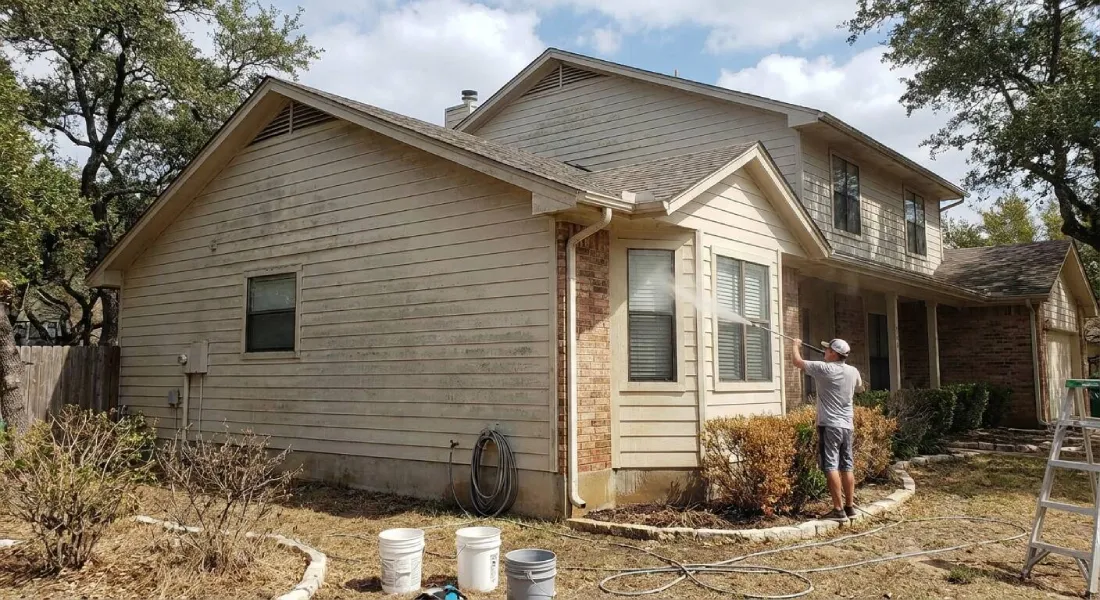
So here's what matters. If you're investing in a fresh coat, that's smart. Just don't treat the prep work like an optional step. Every square foot should be clean. Every contaminant needs to go. And every paint decision should be grounded in what's actually on your walls — not just what you hope they look like.
Dirt and Dust Create a Barrier You Can't See
Austin's climate dumps a steady layer of pollen, dust, and airborne debris onto every exterior surface. Over months, that buildup hardens into a film that blocks paint from making contact with the actual material underneath. You might think you're painting wood or stucco, but you're really coating a layer of grime. And when that grime breaks down, the paint goes with it.
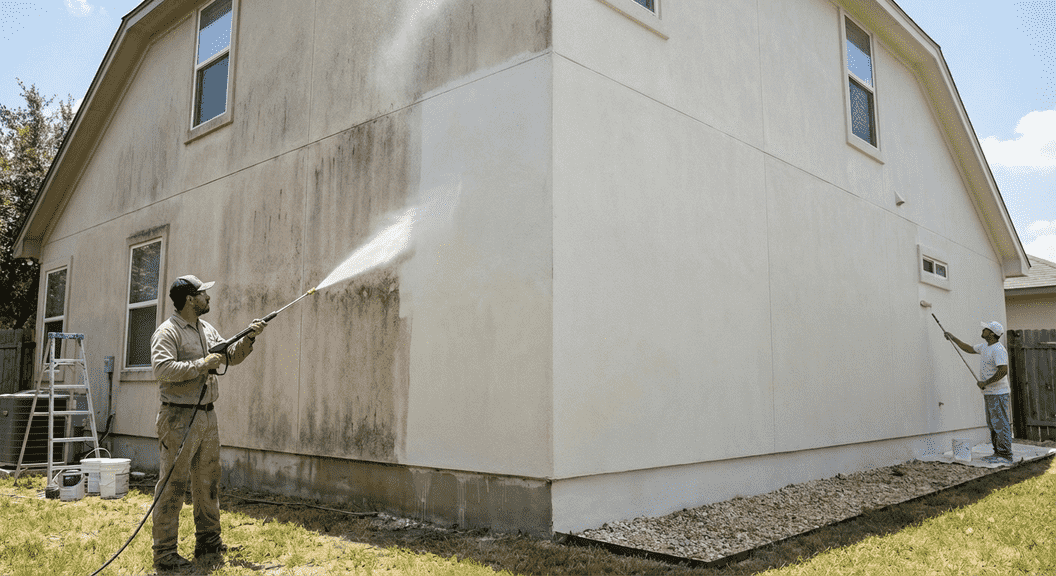
Pressure washing strips that barrier away. It exposes the real surface, giving your paint something solid to grip. Skip this step, and you're gambling on adhesion. The paint might look fine for a few months, but once the Texas sun and rain start working on it, you'll see peeling, bubbling, and uneven wear. That's not a paint problem — that's a prep problem.
Mold and Mildew Don't Just Disappear Under Paint
Humidity in Austin isn't just uncomfortable — it's a breeding ground. Mold, mildew, and algae thrive on shaded walls, especially on north-facing sides or anywhere moisture lingers. These organisms don't just stain your siding. They eat into it, weakening the surface and creating pockets where paint can't bond properly.
Pressure washing kills and removes these growths before they become a bigger issue. If you paint over mold, you're sealing it in — and it will continue to spread underneath. Eventually, it pushes through, discoloring your fresh paint and forcing you to redo the job. Clean it now, or deal with it later. There's no middle ground.
Paint Only Works When It Has Something to Hold Onto
Adhesion isn't magic. It's chemistry. Paint needs a clean, porous surface to bond with. Any residue — whether it's old flaking paint, chalky oxidation, or organic matter — creates a weak point. Pressure washing removes those obstacles, giving the new coat a fighting chance.
This is especially critical for wood siding, which absorbs moisture and can rot if not properly maintained. Stucco and brick also benefit, as pressure washing clears out embedded dirt that hand scrubbing can't reach. The result is a surface that's ready to accept paint, not repel it.
Hidden Damage Shows Up When You Clean
Pressure washing doesn't just clean — it reveals. As the water blasts away dirt and debris, you'll see what's really going on underneath. Cracks in the siding. Soft spots from rot. Insect damage. Loose caulking. All of it becomes visible once the grime is gone.
That's not a downside — it's an advantage. Finding these issues before you paint means you can fix them properly. Painting over damage doesn't make it go away. It just hides it until the problem gets worse. And by then, you're looking at repairs that cost far more than a little extra prep work would have.
Austin's Climate Demands More from Your Paint
The weather here isn't gentle. Intense UV exposure fades color. Heavy rains test adhesion. Temperature swings cause expansion and contraction. If your paint isn't starting from a clean, solid base, it won't hold up. Pressure washing removes the contaminants that accelerate wear, giving your paint a better shot at lasting through the elements.
Here's what a clean surface does for your paint job:
- Stronger bond between paint and substrate
- Fewer coats needed for full coverage
- Reduced risk of peeling or bubbling
- Longer lifespan before repainting is required
- Better resistance to UV damage and moisture intrusion
Skipping This Step Costs More Later
Pressure washing might feel like an extra expense or an extra day of work. But it's neither. It's insurance. A properly cleaned surface takes paint better, which means you use less product and get better coverage. You also avoid the cost of repainting too soon because the first job failed.
In Austin, where the sun is relentless and the humidity doesn't quit, cutting corners on prep is a fast track to disappointment. You'll spend more time fixing problems than you would have spent preventing them. And if you hire out the work, you'll pay twice — once for the bad job, and again to do it right.
The Difference Between a Good Job and a Great One
Curb appeal isn't just about color choice. It's about execution. A clean surface means smooth, even coverage. No streaks. No missed spots. No texture showing through where it shouldn't. Pressure washing sets the stage for a professional-quality finish, whether you're doing the work yourself or hiring a crew.
Here's what you gain by starting clean:
- Uniform color and sheen across the entire surface
- No visible dirt or stains bleeding through
- Sharper lines and cleaner edges
- A finish that looks fresh for years, not months
- Increased property value and buyer appeal if you're selling
What Pressure Washing Actually Removes
It's not just dirt. Pressure washing and surface preparation tackles a range of contaminants that hand washing or a garden hose can't touch. Each one of these can interfere with paint adhesion or cause premature failure if left in place.
- Pollen and airborne dust that hardens into a film
- Mold, mildew, and algae that weaken the surface
- Chalky oxidation from old paint breaking down
- Loose or flaking paint that won't support a new coat
- Insect nests, webs, and organic debris
When to Call in a Pro
Pressure washing isn't complicated, but it does require the right equipment and technique. Too much pressure can damage siding, strip paint you want to keep, or force water into places it shouldn't go. Too little pressure won't clean effectively, leaving you with a surface that's still compromised.
A professional knows how to adjust pressure based on the material, how to angle the spray to avoid damage, and how to spot issues that need attention before painting begins. If your home has delicate siding, multiple stories, or significant buildup, hiring a pro is the smarter move.
Prep Work Isn't Optional
Painting without pressure washing is like building on sand. It might look fine at first, but it won't hold. Austin's climate is too demanding, and the stakes are too high. You're not just covering up old paint — you're protecting your investment, boosting your home's value, and avoiding costly do-overs.
The difference between a paint job that lasts and one that fails comes down to what happens before the first brush stroke. Clean the surface right, and everything else falls into place. Skip it, and you're asking for trouble. There's no shortcut here — just the right way and the wrong way.
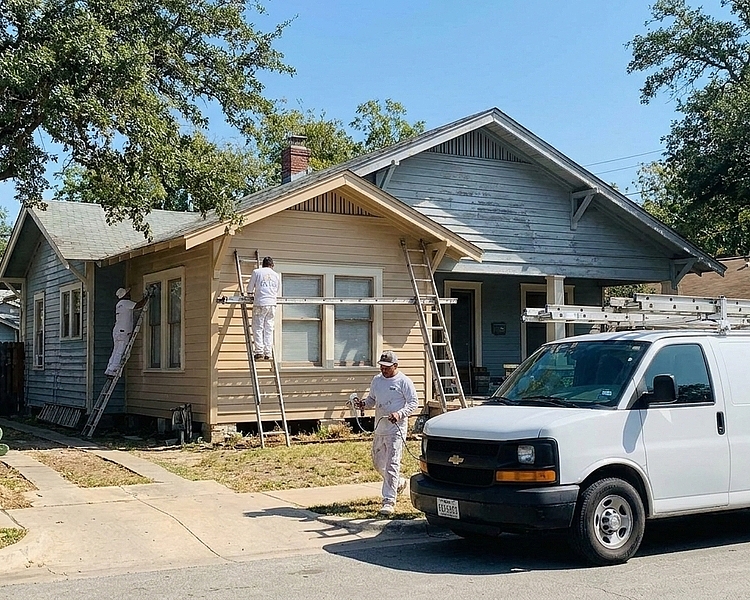
If you're ready to invest in residential exterior painting that actually lasts, start with proper painting services that include thorough surface preparation. Whether you need interior painting, cabinet painting and refinishing, or drywall repair and patching, the foundation of quality work is always the same: clean surfaces and professional execution. Contact us today and see what a difference proper preparation makes.
Let’s Get Your Home Ready for a Lasting Finish
We know how much your home means to you, and we’re here to make sure your next paint job stands the test of Austin’s weather. If you want results that look great and last, let’s start with a conversation about your project. Call us at 512-677-2397 or get a quote—we’re ready to help you transform your home with confidence.
‹ Back
Recent Posts
-
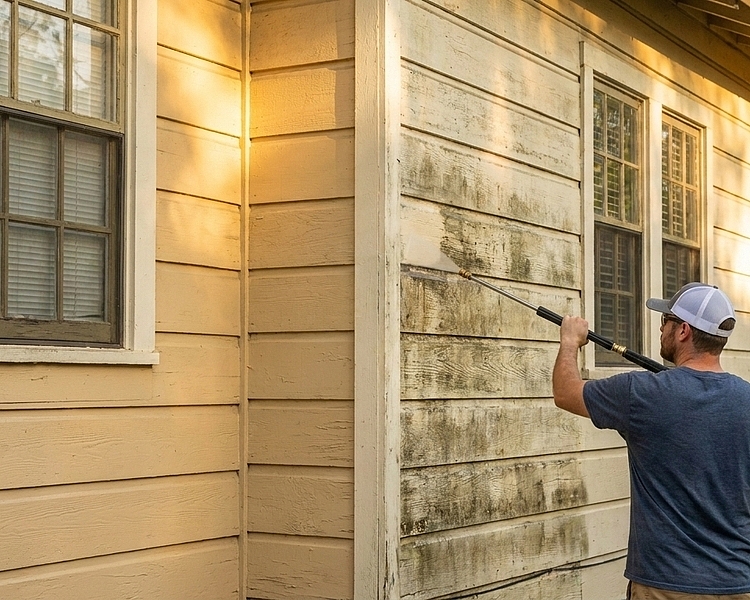
Can Pressure Washing in Austin Help Paint Last Longer?
September 30, 2026
-
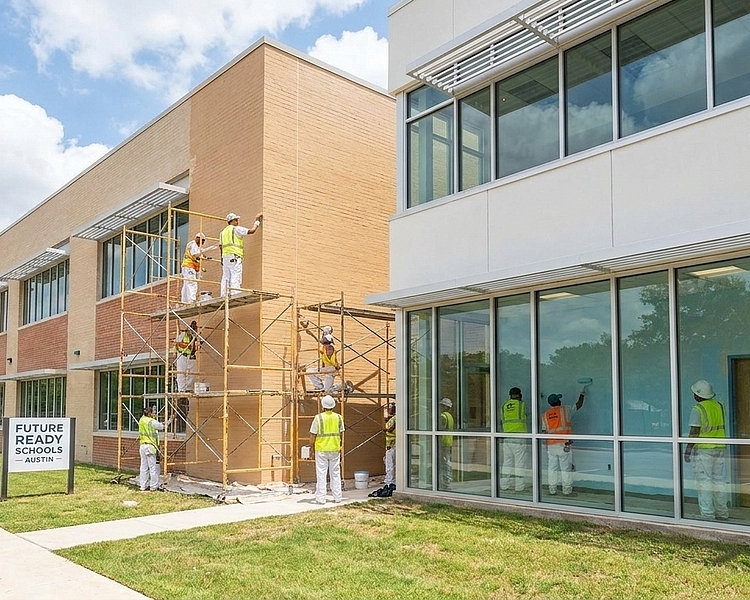
Keeping Austin Schools Looking Their Best with Fresh Paint
September 16, 2026
-
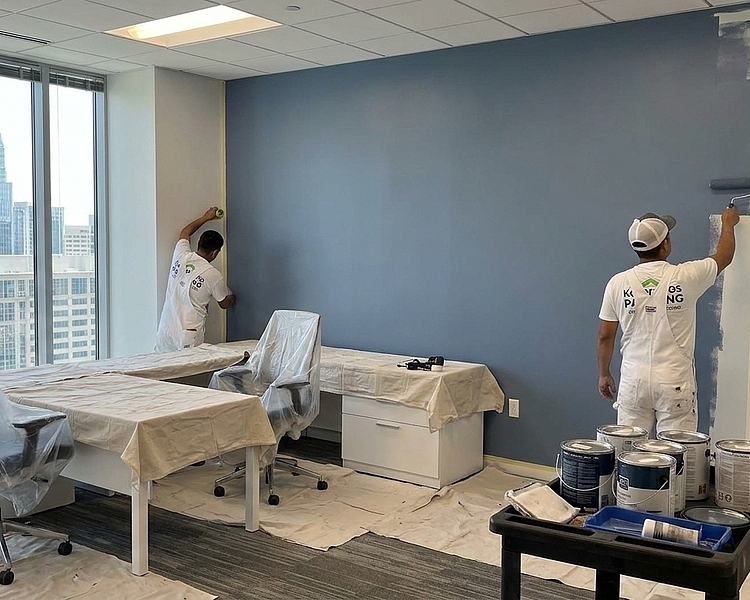
Giving Austin Offices a Fresh Look with Professional Repainting
September 2, 2026
-
Exterior Painting in Austin for Homes With Fading Siding
August 19, 2026
-