Do You Need to Pressure Wash Before Painting Your Home in Austin?
Most homeowners think painting is just about color and coverage. Brush on, roll out, done. But the surface underneath tells a different story — and if you ignore it, you're setting yourself up for failure. Paint doesn't stick to dirt. It doesn't bond with mold. And it sure as hell won't last on a surface that's been baking under Austin sun for years without a proper clean.
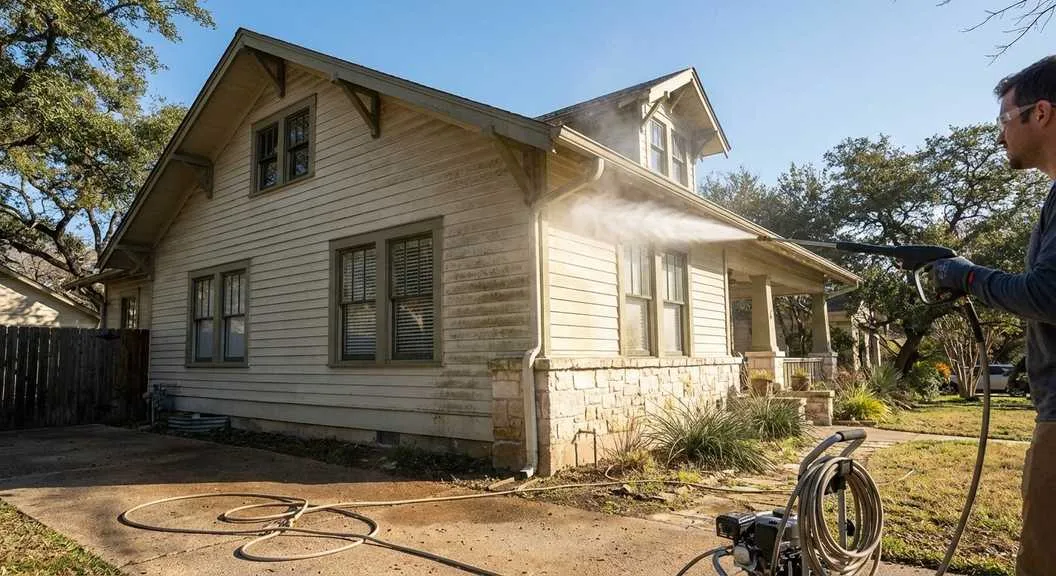
So here's what we know. If you're planning to refresh your exterior painting, that's smart. Just don't slap paint over grime and expect it to hold. Every square foot should be prepped right. Every contaminant needs to go. And every decision about whether to pressure wash should be grounded in what's actually on your siding — not just what looks acceptable from the curb.
Austin Weather Doesn't Play Fair
This city throws everything at your home's exterior. Scorching summers that crack and fade. Sudden storms that leave streaks and water stains. Pollen so thick in spring it coats every surface like a second skin. Then there's the humidity — just enough to let mold and mildew creep into every shaded corner.
If you think a quick rinse with the garden hose will cut it, think again. Austin's climate creates layers of buildup that need real pressure to break through. Skip the wash, and you're painting over problems that'll show up in six months as peeling, bubbling, or worse.
What Happens When You Skip the Wash
Paint needs a clean bond. Period. When you roll fresh coats over dirt, pollen, or algae, you're creating a barrier between the paint and the actual surface. The paint might look fine for a few weeks — maybe even a few months. But once the Texas heat kicks in or the next rainstorm hits, that bond starts to fail.
We've seen it happen over and over. Homeowners who thought they could save time end up repainting sooner than they should have. Or they're stuck scraping off flaking paint that never had a chance to stick in the first place. Pressure washing and surface preparation isn't optional if you want results that last.
What a Proper Wash Actually Does
- Strips away dirt, dust, and pollen that block adhesion
- Kills mold and mildew before they spread under new paint
- Removes loose or flaking old paint that would compromise the finish
- Exposes cracks, rot, or damage that need fixing before you paint
- Gives you a clean slate so the primer and topcoat can do their job
Pressure Settings Matter More Than You Think
Not all surfaces can handle the same force. Crank the PSI too high on wood siding, and you'll gouge it. Go too soft on brick or stucco, and you won't clear the buildup. The right pressure depends on what your home is made of — and how much grime has settled in.
Most residential exteriors do well in the 1,500 to 2,500 PSI range, but that's not a universal rule. Vinyl siding needs a gentler touch. Concrete can take more. If you're not sure, test a small section first or bring in someone who knows the difference. Damage from over-pressure isn't something you can paint over.
Timing the Wash Before You Paint
Don't wash and paint the same day. Your home needs time to dry — really dry. Surface moisture might evaporate in a few hours, but deeper dampness in wood or stucco can linger for a day or two. Paint over that, and you're trapping water under the finish.
We recommend waiting at least 48 hours after washing before you prime or paint. In Austin's heat, that might be overkill. But in cooler or more humid conditions, it's necessary. Touch the surface. If it feels cool or damp, wait longer.
What You'll Need to Do It Right
- A pressure washer with adjustable PSI settings
- Cleaning solution designed for exterior surfaces, not just water
- Safety glasses and gloves to protect yourself from debris and chemicals
- A ladder or extension wand to reach high spots without overreaching
- Time to work methodically from top to bottom, rinsing as you go
When DIY Becomes a Gamble
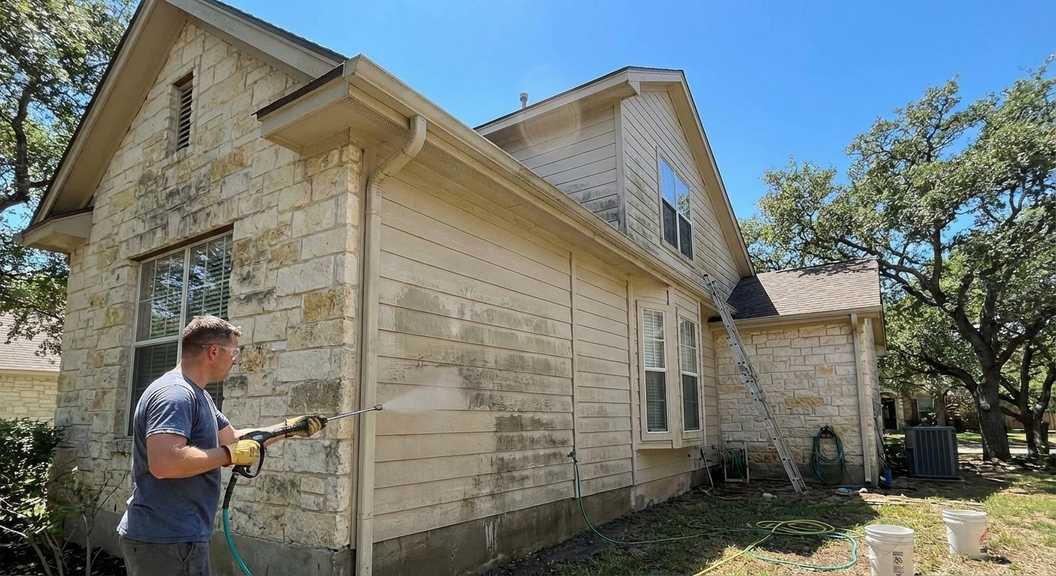
Renting a pressure washer and doing it yourself sounds simple enough. And for some homeowners, it is. But if you've never used one before, or if your home has delicate trim, old wood, or mixed materials, the learning curve can cost you.
Professionals know how to adjust pressure on the fly. They know which nozzles to use and which cleaners won't damage your landscaping. They also carry insurance in case something goes wrong. If you're confident in your skills, go for it. If not, the cost of hiring someone is usually less than the cost of fixing mistakes.
Common Ways Homeowners Mess This Up
- Blasting too close to the surface and leaving marks or gouges
- Using the wrong detergent and damaging plants or finishes
- Skipping repairs and washing over rotted wood or cracked siding
- Not rinsing thoroughly and leaving soap residue that blocks paint adhesion
- Painting too soon after washing while moisture is still trapped inside
What to Inspect After the Wash
Once everything's clean and dry, walk the perimeter. Look for spots you missed. Check for damage that the grime was hiding — cracks, soft wood, loose caulking. This is your chance to fix those issues before paint locks them in.
If you find rot or serious wear, deal with it now. Painting over problems doesn't make them go away. It just makes them harder to spot until they've gotten worse. A clean surface should reveal the truth, not cover it up. For issues like damaged walls, consider drywall repair and patching before moving forward.
Why We Don't Skip This Step
- Paint lasts longer when it's applied to a properly prepped surface
- Mold and mildew won't grow back as fast if they're fully removed first
- You'll spot structural issues early, before they turn into expensive repairs
- The finish looks smoother and more professional when the base is clean
- You avoid the frustration of repainting sooner than you should have to
The Real Cost of Cutting Corners
Skipping the pressure wash might save you a day or two upfront. But it won't save you money. Paint that fails prematurely means you're back on the ladder sooner than planned, scraping and recoating. Or worse, you're dealing with mold growth under the paint that spreads into the structure.
We've worked with enough homeowners to know that the ones who prep right the first time don't regret it. The ones who rush through it almost always do. Pressure washing isn't glamorous, but it's the foundation of a paint job that actually holds up in Austin's climate. Do it right, and your home stays protected. Skip it, and you're just buying time before the next round of repairs. Whether you're tackling interior painting or residential painting projects, proper preparation makes all the difference. For professional help with your next project, get a quote today.
Let’s Get Your Home Ready for a Lasting Finish
We know how much pride you take in your home, and we’re here to make sure your next paint job stands the test of Austin’s weather. If you want results that look great and last, let’s talk about the right prep and the right team for the job. Give us a call at 512-677-2397 or get a quote and let’s make your home the best-looking one on the block.
‹ Back
Recent Posts
-
Keeping Austin Schools Looking Their Best with Fresh Paint
September 16, 2026
-
Giving Austin Offices a Fresh Look with Professional Repainting
September 2, 2026
-
Exterior Painting in Austin for Homes With Fading Siding
August 19, 2026
-
-