
Is Exterior Painting on Stucco Homes in Austin Worth Doing During Hot Weather?
Most homeowners think painting is just about color. Pick a shade, slap it on, call it done. But stucco in Austin heat? That's a different game. The sun doesn't care about your timeline, and neither does the IRS of exterior finishes — physics. If you're not accounting for how heat affects adhesion, drying time, and long-term durability, you're setting yourself up for peeling paint and wasted money.
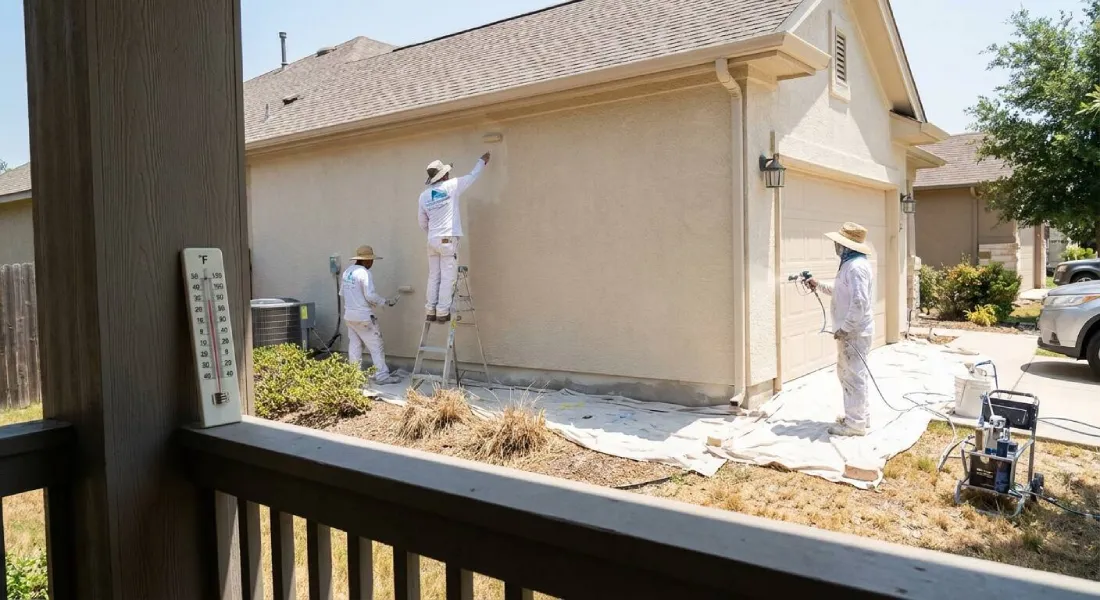
So here's the reality. If you're investing in a fresh coat to protect your home and boost its value, that's smart. Just don't treat it like a weekend DIY project without understanding what triple-digit temps do to paint chemistry. Every brushstroke should be timed right. Every product choice needs to match the climate. And every decision should be grounded in how the weather behaves — not just how the color looks on a sample card.
When Heat Works Against You
Austin summers don't mess around. We're talking weeks of 95°F and higher, with UV rays that could strip the finish off a car if you let it sit long enough. Stucco absorbs that heat like a sponge, and when you add wet paint to a surface that's radiating warmth, things go sideways fast.
Paint needs time to cure properly. Too much heat and it flashes off before it can bond to the stucco. You end up with a brittle surface that cracks within months. Too much sun exposure during application and you'll see blistering, uneven texture, or color that fades before the first winter hits. The window for ideal conditions is narrow, and if you miss it, the consequences show up on your exterior for years.
The Upside of Getting It Right
When you time it correctly and use the right materials, painting stucco in Austin can deliver serious returns. A quality exterior painting coat isn't just cosmetic — it's a shield. It keeps moisture out, reflects heat, and prevents the kind of surface degradation that leads to expensive repairs down the line.
Here's what a proper paint job gets you:
- Protection from water intrusion that causes cracks and mold growth
- UV resistance that keeps your color from washing out in two seasons
- Thermal reflection that can lower cooling costs during peak summer months
- A chance to spot and fix minor stucco damage before it becomes structural
- Curb appeal that actually holds up under scrutiny and adds resale value
Where Timing Makes or Breaks the Job
You can't just pick a Saturday in July and hope for the best. Professional painters in Austin know the drill — start early, finish before noon, or wait until late afternoon when the sun shifts. Direct sunlight on wet paint is a recipe for disaster, and surface temps above 90°F push most products past their performance threshold.
The best windows are spring and fall, but if you're committed to summer work, you'll need to be strategic. That means checking forecasts, adjusting schedules, and sometimes calling it off mid-project if conditions turn. It's not convenient, but it's the difference between a finish that lasts a decade and one that fails in eighteen months.
Material Choices That Actually Hold Up
Not all exterior paints are built for Texas heat. Cheap latex formulas might work fine in cooler climates, but here they'll chalk, fade, and peel faster than you'd expect. You need elastomeric or 100% acrylic coatings designed for masonry and high-temp environments.
Here's what to look for when selecting paint:
- High UV resistance rated for southern climates
- Flexibility to handle thermal expansion without cracking
- Breathability so trapped moisture can escape through the stucco
- Low-VOC formulas that cure properly even in heat
- Manufacturer specs that explicitly allow application in warm conditions
Prep Work You Can't Skip
Want your paint to stick? Start with a clean, stable surface. Stucco collects dirt, mildew, and loose material over time, and none of that plays well with fresh coatings. Pressure washing is step one, but you'll also need to patch cracks, scrape off any flaking old paint, and let everything dry completely before you even think about opening a can.
If the stucco has moisture issues or previous coatings that are failing, those problems won't magically disappear under new paint. They'll telegraph through within months. Address the underlying condition first, or you're just covering up a ticking clock.
Common Mistakes That Cost You Later
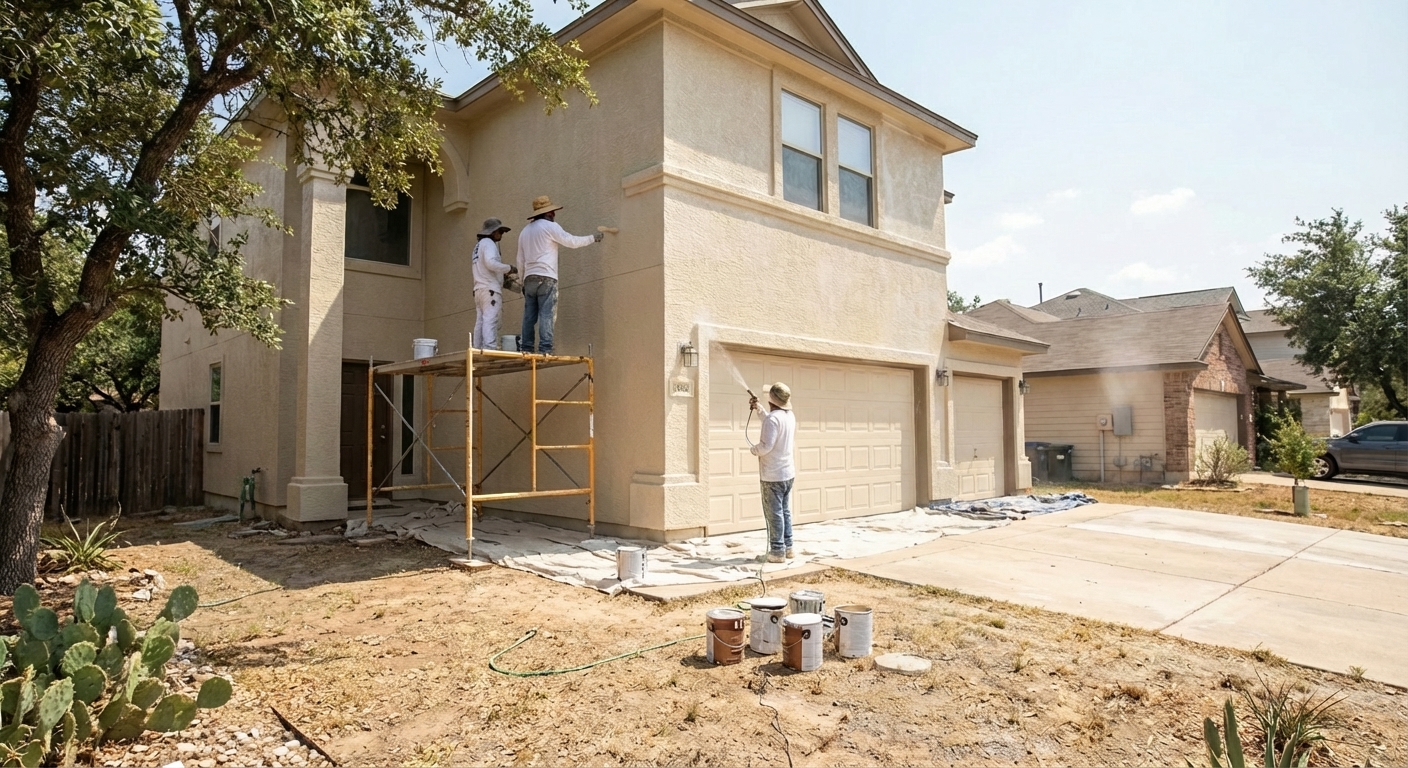
Most homeowners who regret their paint job made one of a few predictable errors. Rushing the timeline is the big one. Painting in the middle of the day because it's convenient? That's how you get adhesion failure. Skipping primer on bare or patched stucco? That's how you get uneven absorption and blotchy color.
Here's where people typically go wrong:
- Applying paint when surface temps exceed manufacturer limits
- Using interior-grade or bargain-bin exterior paint on stucco
- Ignoring cracks or moisture damage during prep
- Painting over dirty or chalky surfaces without proper cleaning
- Failing to back-roll or spray evenly, leaving thin spots that fail early
When to Bring in a Pro
If your stucco has significant cracking, previous coatings that are peeling, or you're dealing with a multi-story home, DIY gets risky fast. A professional residential painting crew brings more than ladders and sprayers — they bring an understanding of how Austin's climate interacts with different substrates and coatings.
They'll also handle the timing, material selection, and surface prep in ways that protect your investment. It's not just about getting the job done this year. It's about setting up a finish that doesn't need a redo in three years because shortcuts were taken when it mattered most.
The Real Cost of Doing It Wrong
A failed paint job on stucco isn't just ugly — it's expensive. Peeling coatings trap moisture, which leads to mold, efflorescence, and structural damage. Faded or chalky finishes make your home look neglected, which tanks curb appeal and resale value. And if you have to strip and repaint within a few years, you're paying twice for the same result.
The upfront cost of doing it right — quality materials, proper timing, skilled labor — is always cheaper than the cost of doing it over. Especially in a climate that punishes shortcuts as aggressively as Austin does.
What the Numbers Actually Say
A quality commercial exterior painting job on stucco in Austin typically runs between $2.50 and $5.00 per square foot, depending on prep work, coatings, and access. For a 2,000-square-foot exterior, that's $5,000 to $10,000. Sounds like a lot until you compare it to the cost of stucco repair, mold remediation, or a full re-coat in two years because the first one failed.
Factor in energy savings from reflective coatings, the boost in home value, and the peace of mind that comes with a finish that actually lasts, and the ROI becomes clear. It's not just about aesthetics. It's about protecting one of your biggest assets in a climate that's actively working against it.
Making the Call
Painting stucco in Austin's heat is worth it — if you respect the process. That means choosing the right season or time of day, using coatings built for high temps and UV exposure, prepping the surface like your investment depends on it (because it does), and knowing when to call in expertise instead of winging it. For a comprehensive approach to your home's exterior needs, explore our full range of painting services designed for Texas climates.
There's no shortcut to a finish that holds up under Texas sun. But there's also no excuse for skipping the steps that make the difference between a paint job that protects your home and one that becomes another line item on your repair budget. If you're ready to invest in quality work that lasts, contact us from experienced professionals who understand what it takes to deliver results in Austin's demanding climate. Do it right, and you won't have to do it again anytime soon.
Let’s Protect Your Home the Right Way
We know how much your home means to you, and we’re committed to making sure your stucco exterior stands up to Austin’s toughest weather. If you want a paint job that lasts and adds real value, let’s talk about your project and how we can help. Give us a call at 512-677-2397 or get a quote today to get started with a team that puts your home first.
‹ Back
Recent Posts
-
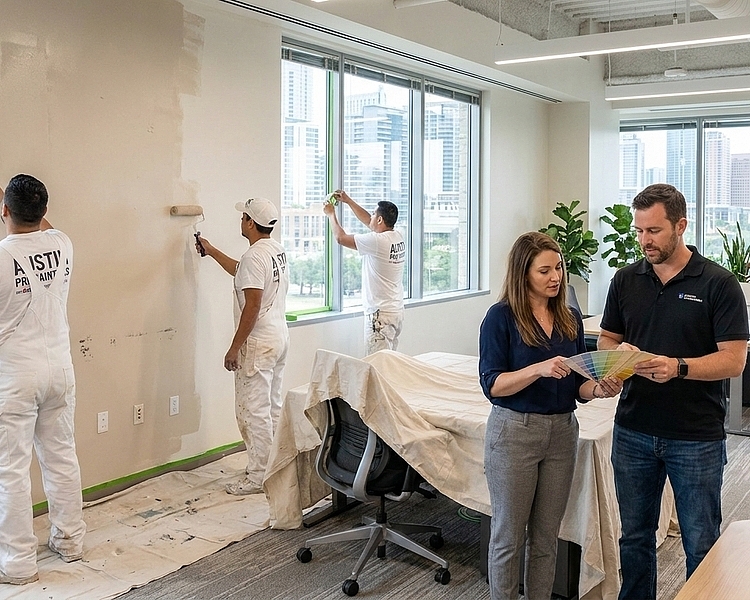
Commercial Painting in Austin for Offices That Need a Refresh
October 14, 2026
-
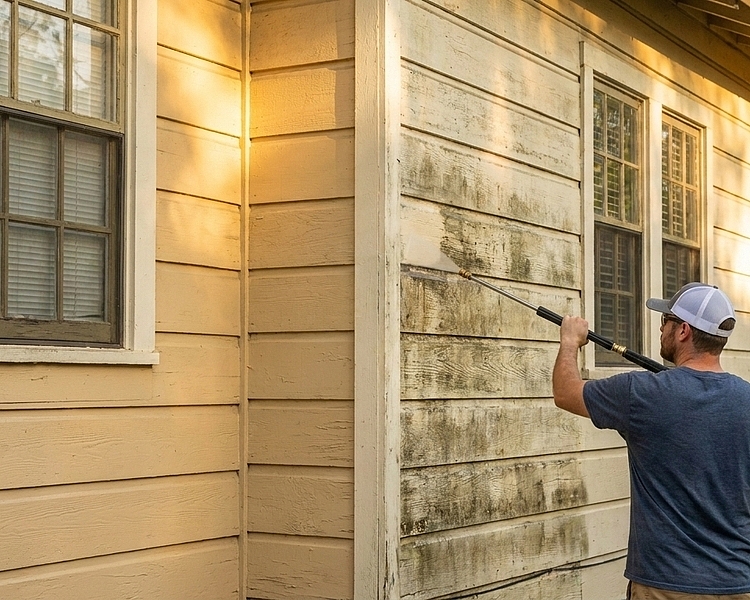
Can Pressure Washing in Austin Help Paint Last Longer?
September 30, 2026
-
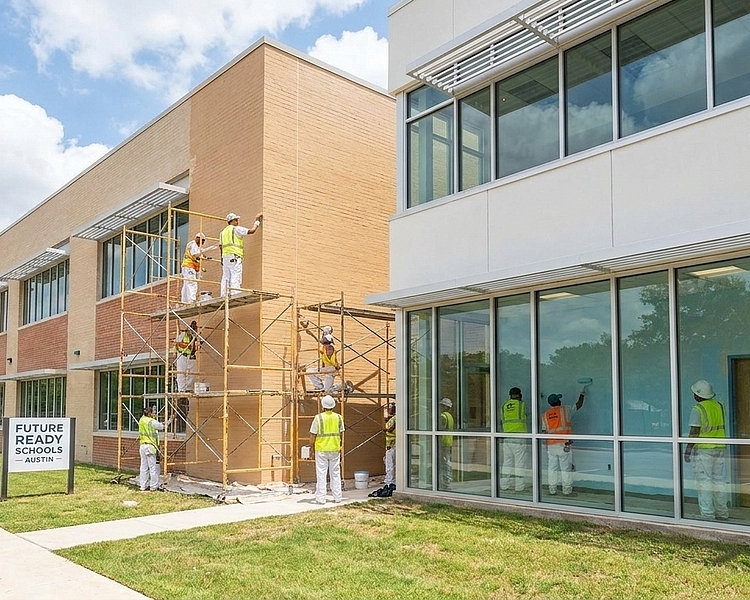
Keeping Austin Schools Looking Their Best with Fresh Paint
September 16, 2026
-
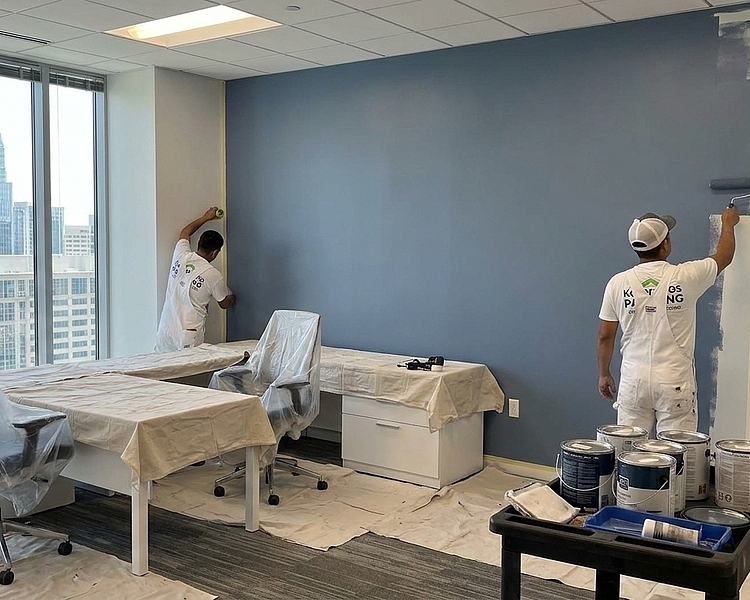
Giving Austin Offices a Fresh Look with Professional Repainting
September 2, 2026
-
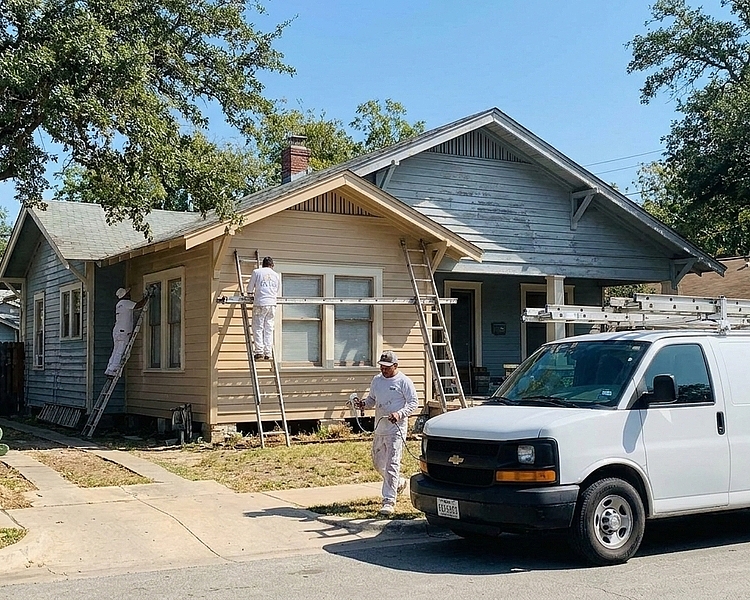
Exterior Painting in Austin for Homes With Fading Siding
August 19, 2026